Learn, Play, Grow: Online Facilitator Foundations
Build the neuroaffirming knowledge, practical reasoning and relational foundations needed to begin delivering Learn, Play, Grow.
Enrol Now
Self-Paced
Learn at your own speed, fitting the training into your busy schedule.

Practical Knowledge
Gain practical, easy to implement session examples, not just theoretical knowledge, to deliver effective early intervention.

Digital Downloads
Get accompanying digital resources, activity plans and parent guides to successfully implement the Learn, Play, Grow program.
Imagine becoming the go-to expert in delivering effective early intervention programs.
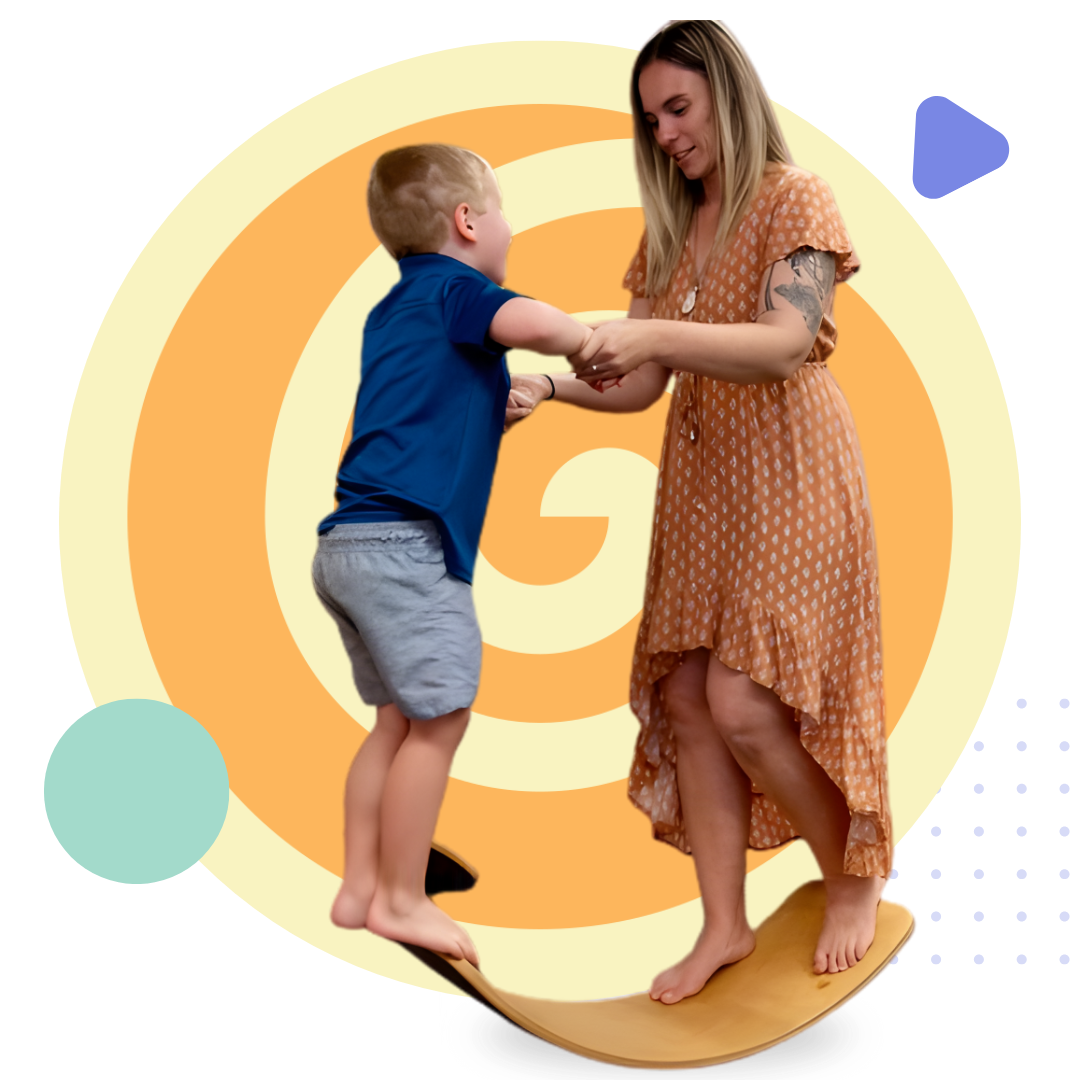
Learn, Play, Grow is a neuroaffirming, trauma-informed and play-based early intervention program for children aged 18 months to 5 years and their caregivers.
This self-directed course introduces the philosophy, clinical reasoning and practical structures that hold the program together. You will learn how the GROW™ Neuroaffirming Framework guides every interaction; how to support play, communication, sensory processing and co-regulation without pressure or shame; how to partner with caregivers; and how to adapt the environment so different children can participate in ways that feel safe and meaningful.
You will also be introduced to the complete eight-week program journey, facilitator preparation, documentation, quality processes and reflective practice expectations.
The goal is not to memorise a script. It is to understand the reasoning underneath the program well enough to make thoughtful, responsive decisions in the room.
Who is this course for?
What will I learn in this course?
How long does the course take to complete?
Important scope and safety statement
This training supports delivery of the Learn, Play, Grow program. It does not replace professional registration requirements, current organisational policies, child-safety procedures, jurisdiction-specific legal obligations, clinical supervision, first-aid training, risk assessment or individual advice from a child’s treating team.
Always use the most current approved version of the facilitator manual and organisational procedures. If safety, consent, safeguarding, medical, feeding, allergy, communication or behavioural support needs fall outside your role or competence, pause and seek guidance.
Learn, Play, Grow - Early Intervention Group Program Facilitator Training
-
Welcome and orientation
4 lessons- Welcome to the learning journey
- The manual is a map, not a script
- Your place in the accreditation pathway
- Module 0 Knowledge Check
-
Module 1: The purpose and philosophy of Learn, Play, Grow
6 lessons- Lesson 1.1: Rethinking early intervention
- Lesson 1.2: Neuroaffirming and trauma-informed practice
- Lesson 1.3: The five program goals
- Lesson 1.4: Two age streams, one shared philosophy
- Lesson 1.5: What meaningful progress can look like
- Module 1 - Knowledge Check
-
Module 2: The GROW™ Neuroaffirming Framework in action
6 lessons- Lesson 2.1: G - Grounded in Identity
- Lesson 2.2: R - Responsive to Needs
- Lesson 2.3: O - Open to Communication Differences
- Lesson 2.4: W - Whole Person, Whole System Support
- Lesson 2.5: The pillars work together
- Module 2 - Knowledge Check
-
Module 3: Development through child-led play
7 lessons- Lesson 3.1: There is no single correct way to play
- Lesson 3.2: Forms of social play
- Lesson 3.3: Follow, join, then extend
- Lesson 3.4: Play develops connected systems
- Lesson 3.5: Invitations, not instructions
- Lesson 3.6: Graded challenge without pressure
- Module 3 - Knowledge Check
-
Module 4: Sensory processing, co-regulation and communication
8 lessons- Lesson 4.1: Every experience is sensory
- Lesson 4.2: Observe before you explain
- Lesson 4.3: Co-regulation comes before self-regulation
- Lesson 4.4: The window of tolerance as a noticing tool
- Lesson 4.5: Communication is more than speech
- Lesson 4.6: Supporting AAC and aided communication
- Lesson 4.7: Behaviour as information
- Module 4 - Knowledge Check
-
Module 5: The session structure and prepared environment
7 lessons- Lesson 5.1: The 60-minute rhythm
- Lesson 5.2: What happens around the activities
- Lesson 5.3: One structure, two streams
- Lesson 5.4: Preparation begins before the room fills
- Lesson 5.5: Design the environment for “yes,” “no” and “not yet”
- Lesson 5.6: Supporting transitions
- Knowledge Check
-
Module 6: Parent coaching and family partnership
8 lessons- Lesson 6.1: Partnership, not performance
- Lesson 6.2: A five-part micro-coaching rhythm
- Lesson 6.3: Model before asking
- Lesson 6.4: Catch caregivers getting it right
- Lesson 6.5: Explain without lecturing
- Lesson 6.6: Carryover that fits real life
- Lesson 6.7: When a caregiver is worried or disagrees
- Lesson 6.8: The midpoint check-in
-
Module 7: The eight-week program journey
3 lessons- Lesson 7.1: Themes are containers, not outcomes
- Lesson 7.2: Theme Goals - Week by Week
- Lesson 7.3: Adapting activities while preserving purpose
-
Module 8: Adaptation, inclusion, cultural responsiveness and safety
7 lessons- Lesson 8.1: Design for difference from the beginning
- Lesson 8.2: Graduated participation
- Lesson 8.3: Adapt the demand, not just the materials
- Lesson 8.4: Safety is individual and proactive
- Lesson 8.5: Responding when behaviour creates risk
- Lesson 8.6: Cultural safety is defined by the family
- Lesson 8.7: Different settings, same core commitments
-
Module 9: Documentation, fidelity, supervision and quality
7 lessons- Lesson 9.1: What belongs in a weekly note
- Lesson 9.2: From judgement to useful observation (example)
- Lesson 9.3: Fidelity as reflective practice
- Lesson 9.4: The quality cycle
- Lesson 9.5: Consent, privacy and confidentiality
- Lesson 9.6: Debrief and supervision
- Lesson 9.7: End-of-program reporting and referral
-
Module 10: Integration and readiness check
3 lessons- Module 10: Integration
- Final readiness reflection
- Course Completion - A Final Message
-
Downloadable Resources
3 lessons- Facilitator Manual
- Faciltator Checklists and Templates
- Parent Handouts
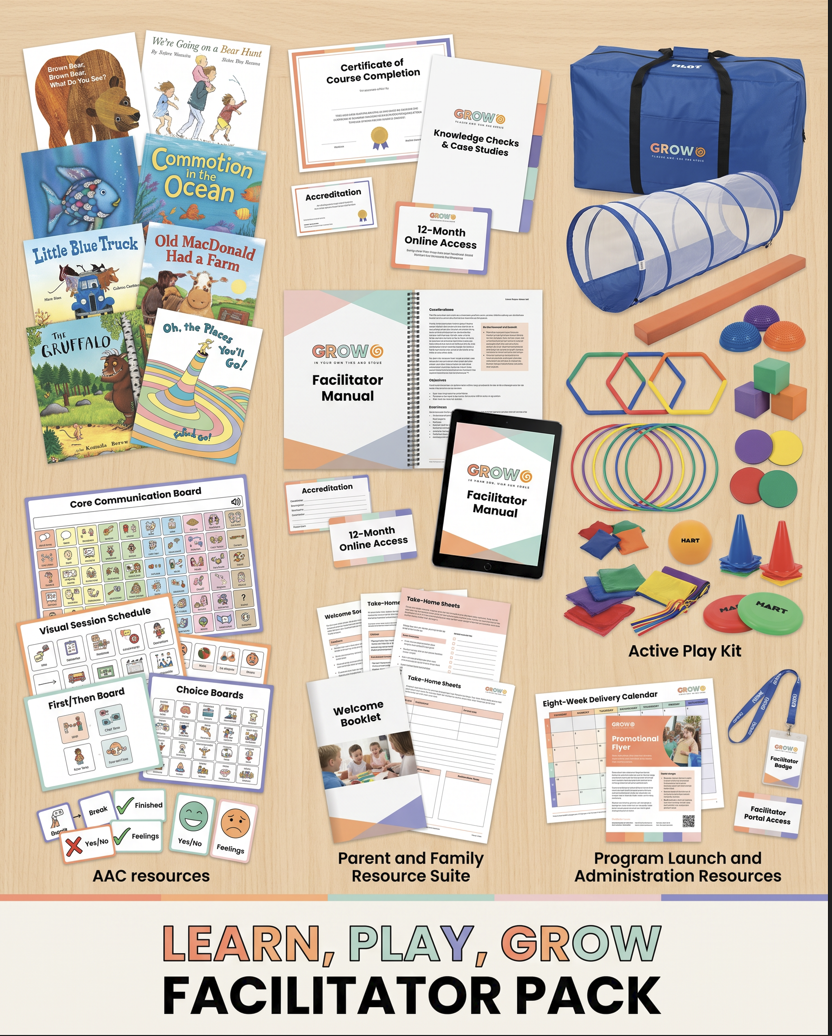
Interested in our Complete Facilitators Bundle?
Everything you need to get started, from training to delivery.
View the Complete Bundle