PRACTICAL LEARNING FOR EVERYDAY SUPPORT
Move from wanting to be inclusive to knowing what to do next.
Educators and support workers are often expected to respond to complex needs in real time—with limited preparation, competing demands and advice that does not always translate into practice.
Our training helps you understand what may be happening beneath behaviour, recognise barriers to participation and make practical changes to communication, environments and support. It is grounded in lived experience, human rights and the realities of classrooms, homes and community settings.

Inclusion is built in everyday moments
It is present in how we give instructions, respond to distress, interpret communication, plan activities, make adjustments and decide whose comfort matters.
Good inclusive practice is not about having a perfect strategy for every situation. It is about building the understanding and confidence to:
-
Notice barriers before blaming the person
-
Respond to behaviour with curiosity rather than control
-
Support different communication methods
-
Make sensory and environmental adjustments
-
Protect autonomy, dignity and relationships
-
Work collaboratively with disabled people and families
-
Create participation that is meaningful—not merely physical presence
Recommended learning pathways
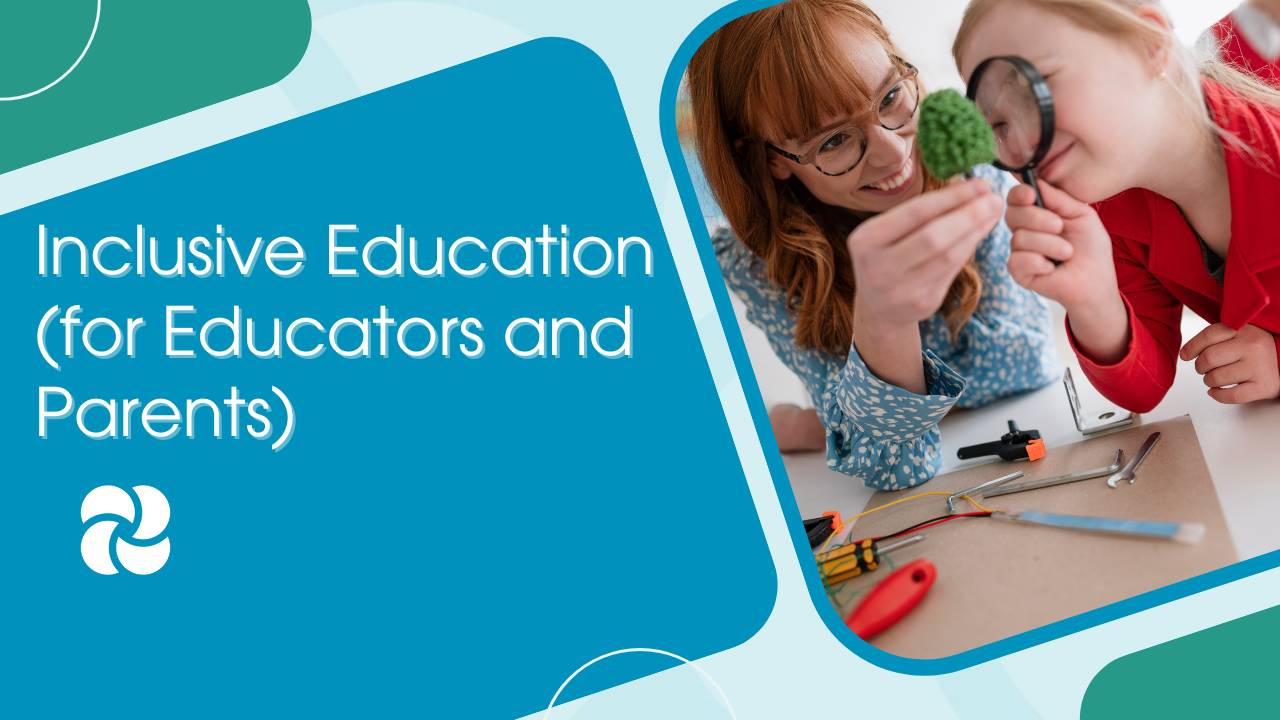
Inclusive Education
This course will cover the fundamentals of inclusive education, practical strategies, neuroaffirming communication, and resources for fostering an inclusive environment. Course Outline: Inclusion Education Target Audience: Teachers, Parents, and Caregivers Course Goals: Understand the principles of inclusive education. Learn strategies to foster inclusion in the classroom and at home. Empower participants to advocate for inclusive practices. Encourage neuroaffirming and person-centered approaches.
$49.00 AUD
Built for real settings
Our training is designed to help you apply learning during the moments that matter:
-
When a student cannot enter a noisy classroom
-
When a person communicates “no” through behaviour
-
When a visual schedule is not enough
-
When an adjustment works one day but not the next
-
When competing expectations increase distress
-
When families and services hold different pieces of the picture
-
When policies unintentionally create barriers
You will not be given another unrealistic checklist detached from context. You will be supported to think differently, adapt purposefully and make changes that are achievable within your role.

School Principle
“Since working with The Inclusive Movement, our staff feels more confident supporting every learner.”
Training a school or support team?
Consistent practice is easier when everyone has a shared language and framework.
Ask about:
-
Multi-user course access
-
Staff onboarding packages
-
Team reflection and implementation tools
-
Facilitated online or onsite workshops
-
Role-specific learning pathways
-
GROW™ organisational implementation and licensing
Frequently asked questions
Is the training suitable for education assistants and new support workers?
Will I receive a certificate?
Can our organisation purchase access for several staff members?
Is the training aligned with neuroaffirming practice?
Build confidence for the moments no policy manual can fully prepare you for.
Learn to notice what is getting in the way, understand what a person may be communicating and choose responses that create greater safety, participation and belonging.
Explore Educator & Support Worker Courses